Two Origins, One Current
I come from two origin stories that meet within me as if they had always been destined to cross paths: a rural maternal family and an exiled father.
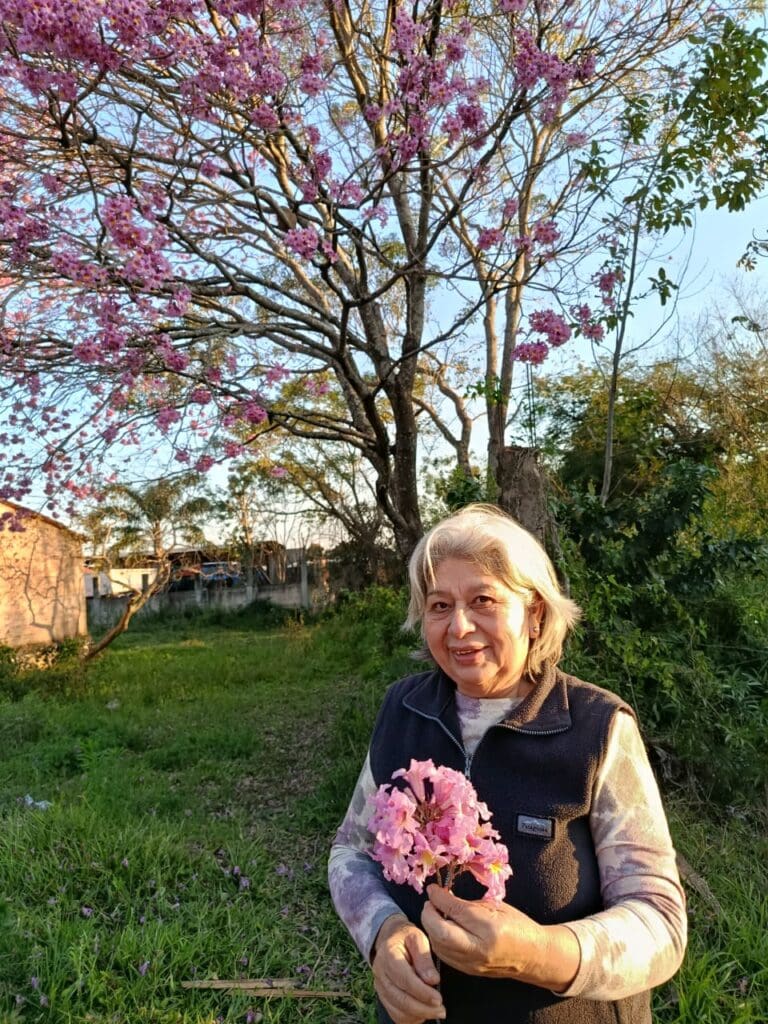
My mother, now 67, is a woman who made herself with the tools life gave her. She did not complete even the second year of primary school, and yet she had the strength to raise—almost entirely on her own—three children from three different fathers. Her life is woven with the quiet resilience of the countryside, with the dignity of those who work the land without seeking recognition, with a kind of wisdom that is not learned in classrooms but in the pulse of everyday life.
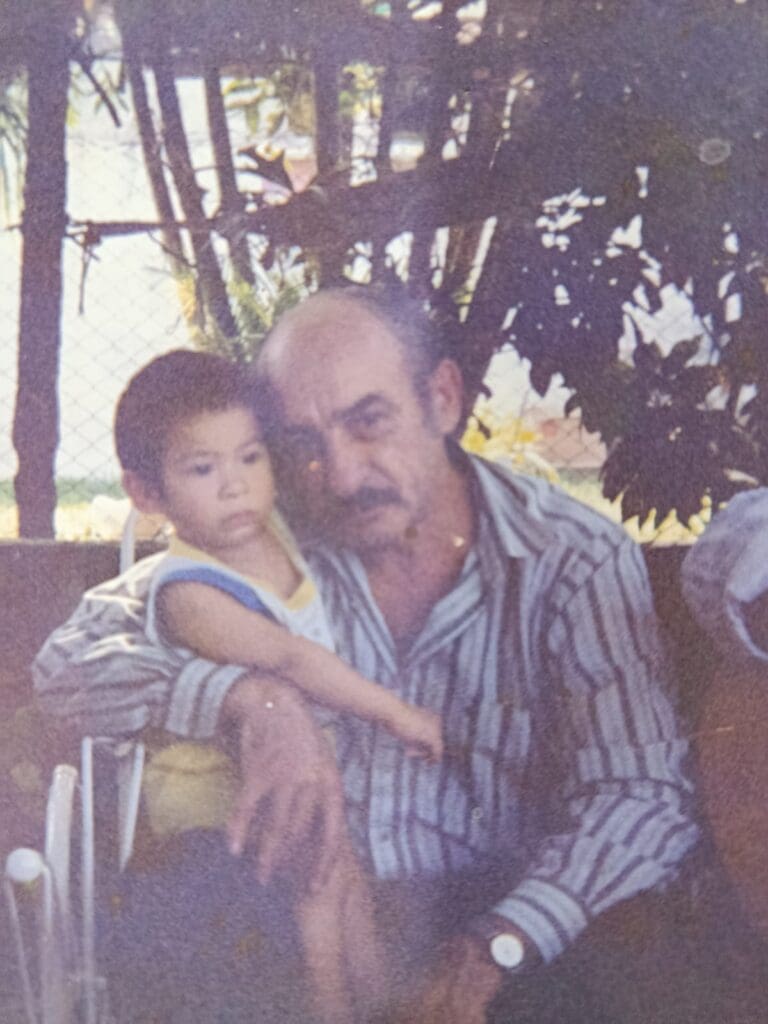
My father, on the other hand, was a physician whose life was shaped by the dictatorship in Paraguay. His exile in Argentina distanced him physically from his country, but never from his commitment to it. He passed away in 2020 as a result of advanced diabetes, leaving me with questions, memories, and an ethical and moral legacy. Between the story of my rural mother and that of my exiled father, I grew up in an environment where injustice, struggle, and hope were everyday themes.
My maternal grandparents were also farmers, and although my siblings and I grew up in a more urban context, I feel that this rootedness in rural life never left us. It lives in the way we look at the world, in our family bonds, in our culture, and even in our political and academic choices. Personally, I feel there is something within me—perhaps inherited—that binds me deeply to that origin. At 27, I recognize that who I am and what I am building are closely tied to that thread connecting me to the countryside, to community work, and to territorial struggles.
Learning With and From the Territory
I am a student at the National University of Asunción, in the school of Agricultural Sciences, pursuing a degree in Human Ecology Engineering. With its interdisciplinary approach, this program seeks to understand social phenomena and their relationship with the environment across four broad areas: human and sociocultural development; the economics and management of farm systems; agroecology as a productive strategy for family farming; and community food and nutrition (Aparicio & Insfrán, 2015). For me, this approach felt like a natural confluence—the degree gave academic form to something that had long been part of my life.
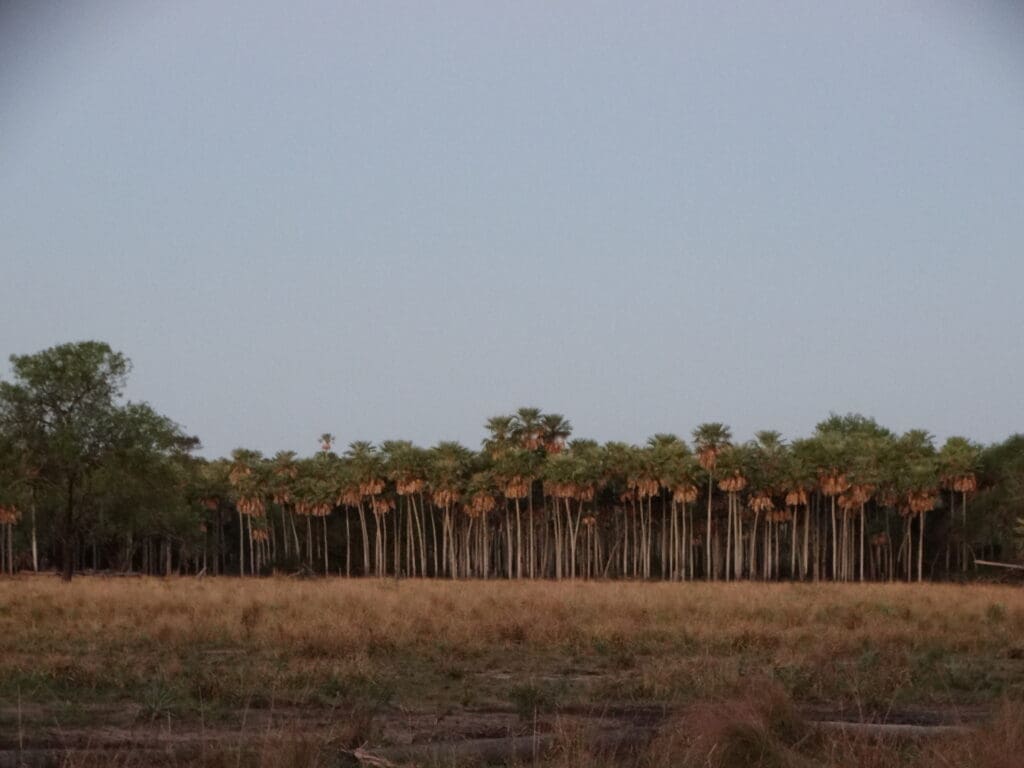
My experience at the University has been deeply enriching, especially through the axis of university outreach, where I found the most opportunities to engage directly with society. I participated in native and creole seed fairs, community diagnostics in the Paraguayan Chaco, international congresses on agroecology, among others. Each of these experiences reaffirmed my convictions and helped me understand that academic work only makes sense when it meets people and the real life of territories.
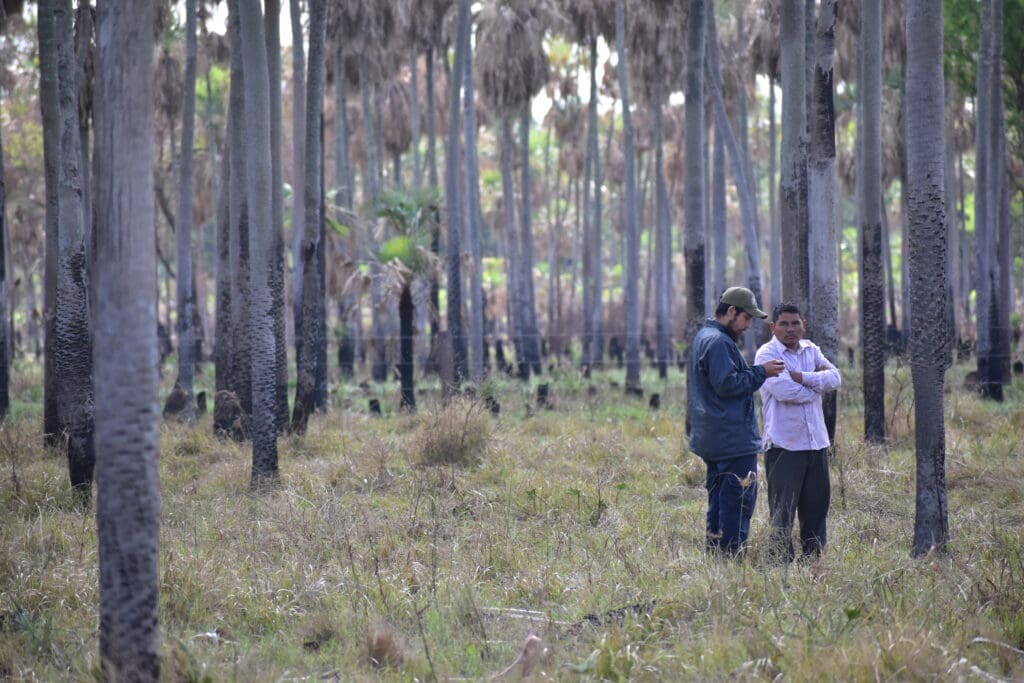
One of the projects that marked me most was carried out in the Chaco between 2023 and 2024: “Identification of actions for the construction of community development in the Indigenous communities of Yakye Axa of the Enxet Sur People and Laguna Pato of the Sanapaná People.”
What the Chaco Taught Me
Its objective was to update the socioeconomic characteristics of these communities and understand the environmental aspects of the territory. But beyond the technical goals, what impacted me most was the lived experience: witnessing firsthand the conditions in which Indigenous peoples survive, facing state neglect, the absence of public policies, and the systematic violation of their rights. That experience stirred something deep within me.
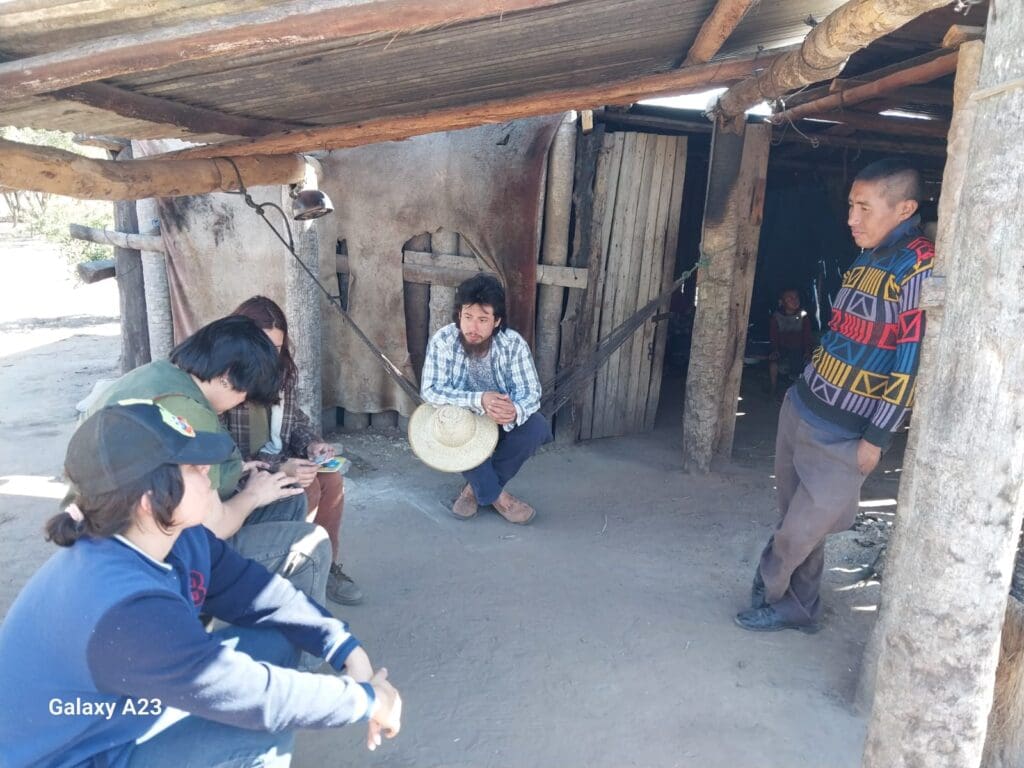
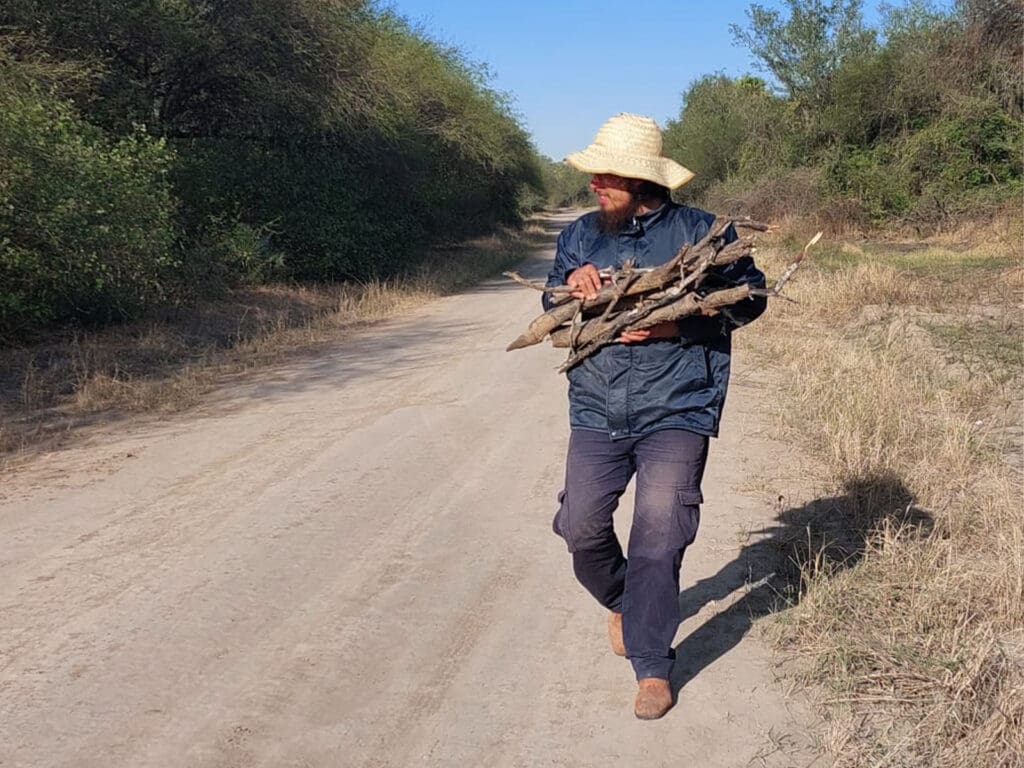
It was this time in the Chaco that led me to look differently at my own city, Guarambaré, located about 29 kilometers from Asunción. I began to draw a parallel between the two territories: while in the Chaco, water is an extremely limited resource, in Guarambaré there is significant water wealth, with several natural springs and an efficient potable water system.
Water as Memory and Future
From this reflection emerged the initiative I am currently developing: the identification and characterization of natural water sources—ykuas—through the historical memory of local residents. Thanks to the Omega Resilience Awards (ORA) program of Commonweal, in collaboration with the Argentine Association of Environmental Lawyers and the Collective for Ecosocial Justice Action, I was able to turn this concern into an active project: “Ykua Ñe’ẽ: practices and knowledge around water,” as part of the mapping and characterization of the natural springs (ykuas) of Guarambaré from a socio-environmental and cultural perspective.
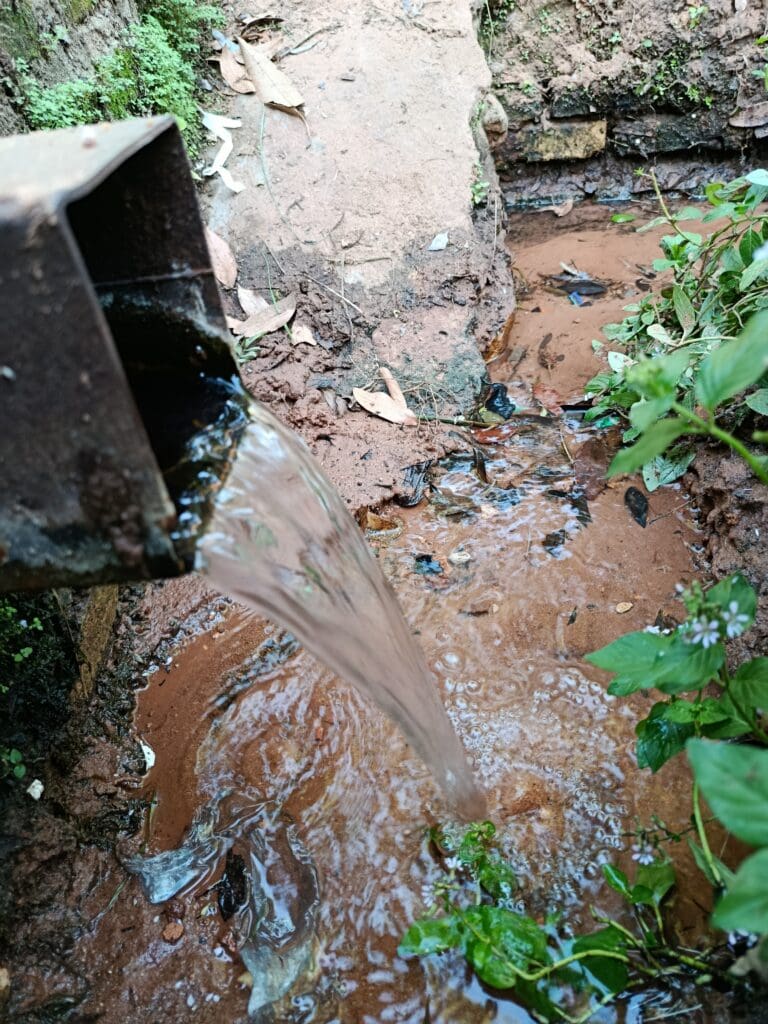
The project seeks to study the current situation of the ykuas and the Lazarito stream, integrating scientific, social, and cultural dimensions. Our goal is to make their importance visible, safeguard the knowledge that surrounds them, strengthen the community’s relationship with water, and generate proposals for their care and protection.
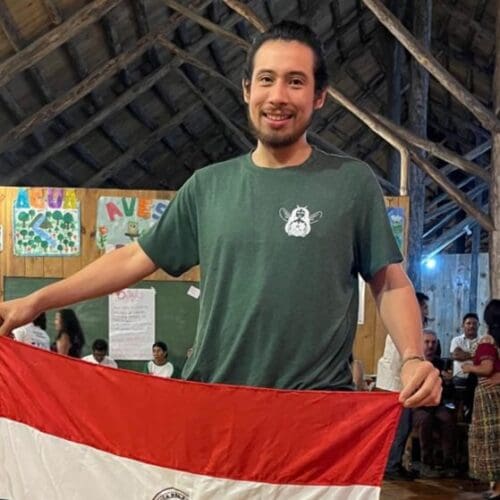
About the Author
ORA Latin America Fellow Ángel Ñamandu Ramos Armoa is a student of Human Ecology Engineering at the Faculty of Agricultural Sciences of the National University of Asunción (UNA). Based in Guarambaré, Paraguay, Ángel’s work exists at the intersection of ecology, culture, and community action, with a focus on water, territory, and environmental justice. Since 2023, Ángel has collaborated on projects with Indigenous communities of the Paraguayan Chaco through UNA and Tierraviva a los Pueblos Indígenas del Chaco, and in 2024 joined the youth chapter of the Latin American Scientific Society of Agroecology. Learn more.