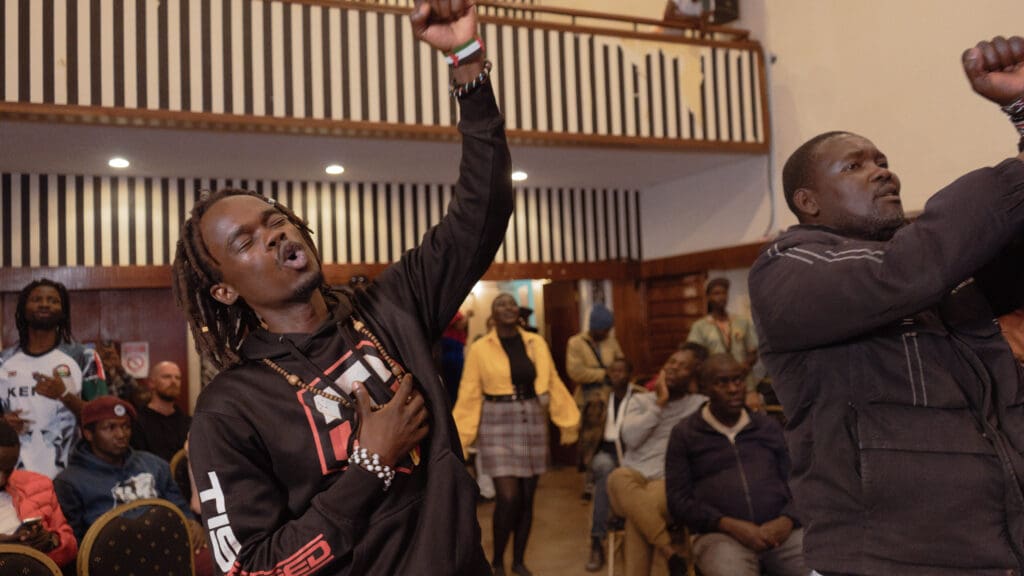
“Alafu, Alafu, Alafu, Alafu, Alafu,” the audience, then in a frenzy, sang with me. I broke the fourth wall and joined them from where they were standing; some were seated. It was a motley crowd but for the most part it comprised activists, some of whom I had been in the streets with. I held the mic for one activist after another to sing the song’s refrain; a means of making the audience take part in the performance that served to launch my June 25th album.
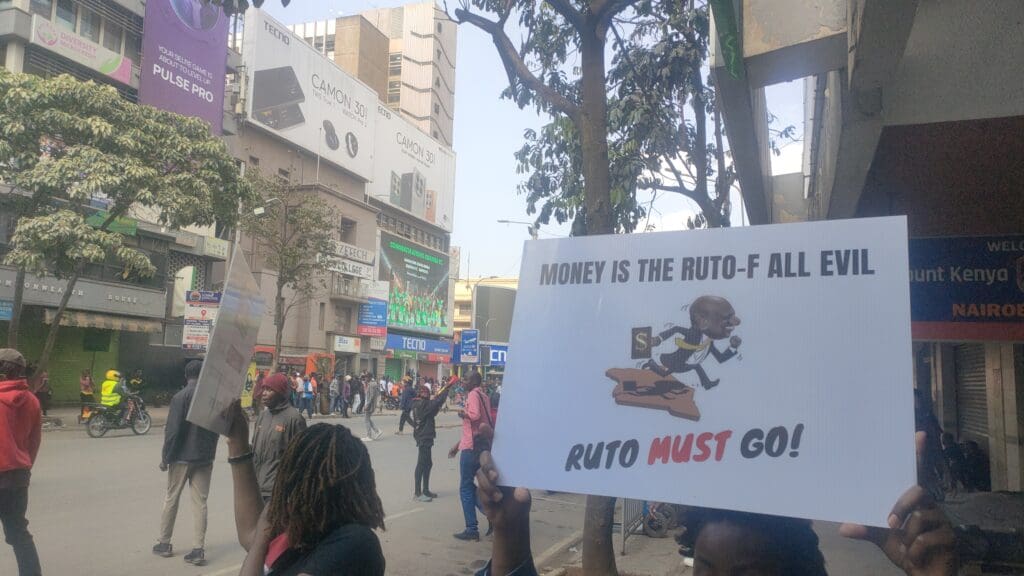
This was the night of June 14th, ten days before the 1st anniversary of June 25th 2024 – the day Kenyan youth, in unprecedented fashion, stormed the precincts of parliament to protest the greed of Kenyan legislators. As the momentum behind the contagion of the protests diminished in the previous year, the government co-opted a segment of the opposition and used live ammunition against protestors. Protestors were also abducted in the wake of the anti-subversion campaign. Some of the abductees were later found lifeless. Others were released after torture, images of their faces in the media betrayed palpable terror. Kenyan youth were crestfallen at the time; the counterinsurgency had taken its toll. What was to be done? As an artist what could one do? How could one capture the zeitgeist of the times? And was mere “capturing” enough given the circumstances?
The concept of the song Alafu (video above) was inspired by a challenge posed to a cohort of artists I was a part of under a previous fellowship. Our artworks were to address the question “what next?” – a question that hinted at the angst that the youth felt in the face of an unfinished uprising. What next for a youth movement that seemed to have disintegrated? But the youth movement, summoned by the times, comprised individuals with different aspirations, dreams and frustrations. Consequently, it made sense to further break down the “what next” concept by mentioning in the song some of the struggles the youth could resonate with. What next for the young person who had just finished his University education hoping to get employed? What next for the young person who had just started a family at a time when opportunities had dwindled under a shrinking economy? What next?
A reminder of the source of the country’s troubles had to be underscored in the song. In the first verse I described Kenya’s political class, the principal purveyors and exponents of neocolonialism, in vivid detail while highlighting that our forerunners had struggled against their predecessors in the same way that we were struggling. This lent itself to the question: “What next for this generation of strugglers?” The answer, proposed in the second verse and parts of the chorus, was a two-part solution. The first part of the solution lay in contributing to the struggle from one’s field of expertise – a lawyer, for example, would represent those arrested while protesting, a journalist’s coverage would be people-centred rather than hegemonic while artists like myself would produce artworks that amplified the struggles that people were facing. The second, more significant part of the solution, lay in persistence; forging on with the struggle with grit. The ending of the song’s refrain addressed this – Alafu? Tuzidi kuzidi (What next? Let’s keep on keeping on.)
Perhaps this message is what galvanised the audience before me – most of whom were in the streets on the first anniversary of June 25th 2024 that took place on June 25th 2025. This message was processed as we approached the anniversary of the protests. It was processed at a time when a young man, Albert Ojwang, had been brutally killed in police custody for purportedly defaming Kenya’s deputy police chief. It was still processed after a hawker, Boniface Kariuki, was fatally shot at point blank range by a police officer as the people protested Ojwang’s killing. It was further processed at a time when there was a need to keep the memories of the previous year’s protests alive.
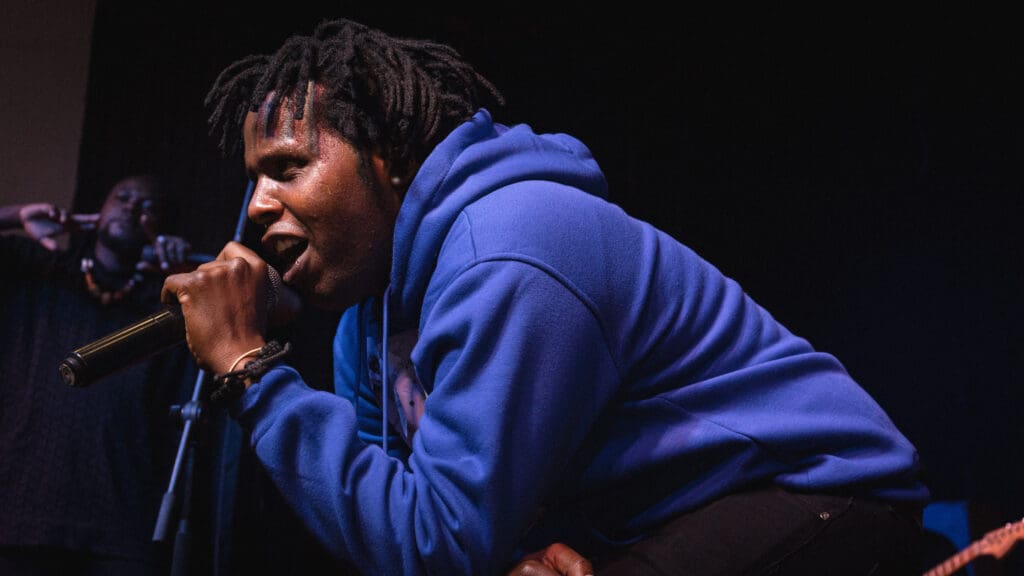
What next? Or as my Zimbabwean forerunner, Olive Mtukudzi, asked “What shall we do?” What role was one to play as an artist? Taking note of the energy that the people sang with at the album launch, the times the song was shared on social media as we approached the anniversary of the protests, the times it was played on radio, the discussions it provoked, I realised that the role of the artist in times of political turbulence is not to merely capture the spirit of the times that the people are living in.
The role of the artist is to assist in shifting the political initiative from those in power to the masses – the downtrodden. After all, the promise of Alafu lies with the people. Long live the memory of June 25th!
About the Author
Mwongela Kamencu, also known as Monaja, is a recording and performing artist whose music fuses African sounds with contemporary styles in a form he calls Tema-Imba—a blend of rapping (tema) and singing (imba). Trained as a historian (B.A., M.A., University of Nairobi), his music addresses socio-political themes—often with a touch of humor—and reflects more than a decade of artistic and organizing work with leftist movements in Kenya and Tanzania.