
The whole of society is now schooled through harsh and accelerating realities of climate change, intensified by shifting weather patterns and deepened by capitalist exploitation. Mining corporations, oil companies, and logging interests extract from people and land alike, while single dams swallow vast stretches of territory, uproot hundreds of thousands, and displace the farmers who feed entire populations. Forests are militarized, ethnic tensions deliberately inflamed, and local enforcers are recruited to fracture resistance and justify displacement. Yet activists continue to organise.
My own activist journey deepened when I was accepted into the Omega Resilience Award Fellowship (ORA). The project I chose to pursue centers the knowledge being generated by local, Indigenous, and traditional communities and how these practices respond to the climate crisis.
Beyond agroecology and climate-cooling farming methods, I ask: What other solutions exist? What stories shape them, and who is leading this work? For me, this means returning to African communities and standing alongside ordinary people—the working, righteous custodians of our continent.

A Sit Down Conversation at The Source
I started my research in a farming community. My guide wore a T-shirt that said, “Let Communities Lead.” Probably a souvenir from one of many NGO community programs. After she guided us into the villages, I realised that for all her put-on simple-village girlie demeanor, she was a graduate student whose PHD thesis is in African artifacts and history which was slipping rapidly into palm-fronded memory.
“Although it may appear that we are losing, I would never choose to stand with those who claim victory, the ones who see forests as commodities and want to destroy them, those who look at rivers as assets to be polluted, privatised, and financialised; those who spill oil, dump waste, erase our history and call it development. Our solutions, by contrast, have endured across generations,” she reminded me.
She added, “Three sons who went fishing died and washed away in a recent flood; farmland, with crops, had been washed away; a dam flooded and had taken away a community; a community had been asked to move but had nowhere to run to.”
The Gap Between Global Climate Spaces and Reality
My ORA project became an education shaped by the community itself. I asked whether they had heard of the UN Climate Conference approaching soon. One man feigned ignorance. I struggled to explain that it was a gathering where world leaders come together to do something about climate change. He asked simply, “Do what?” I replied, “To solve it.” They burst into sudden raucous laughter.

Throughout history, it has been communities like ours that have driven real social change. From enslaved workers whose mass resistance helped end slavery, to organised labor movements that transformed workers’ rights, progress has always come from the collective power of working people—organised, courageous, and united. Then they asked: Are working-class people truly represented in those climate spaces?
While I respect the dedication of many individuals who attend COP (the UN Conference of the Parties on Climate Change), we remain deeply uneasy about what the process has become. Each year, enormous resources are spent flying activists, officials, and observers across the globe, only for the same actors to convene again—often far removed from affected communities and practical solutions. Increasingly, the COP cycle feels like ritualised performance rather than meaningful progress.

Another voice added that many events at COP attract only small audiences, which is unsurprising. Meaningful participation is nearly impossible in such distant, unfamiliar, and logistically constrained environments. These workshops also often feel disconnected from the people they claim to serve.
These contradictions erode moral credibility and weaken public trust. Yet even now, plans are already underway for the next COP in Turkey—another cycle of flights, conference halls, and declarations that rarely lead to tangible change on the ground.
What It Means to Let Communities Lead
The planet cannot survive another decade of meetings that generate headlines instead of results. The climate movement must move beyond itinerant activism and invest in rooted, community-led work, restoring ecosystems, cutting emissions, and transforming harmful industries where it truly matters. If the climate movement fails to align its practices with its principles, it risks reproducing and legitimizing the very colonial, imperialist and capitalist crisis it claims to oppose.
About The Author
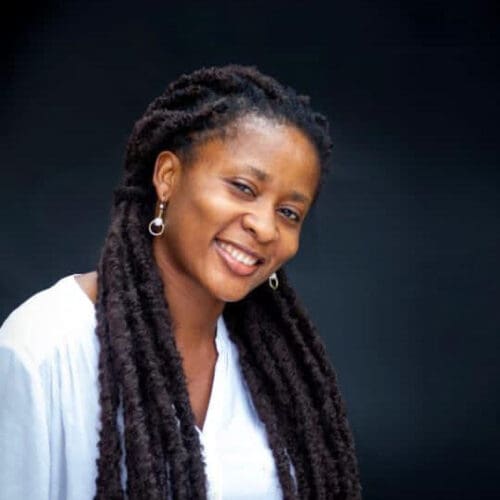
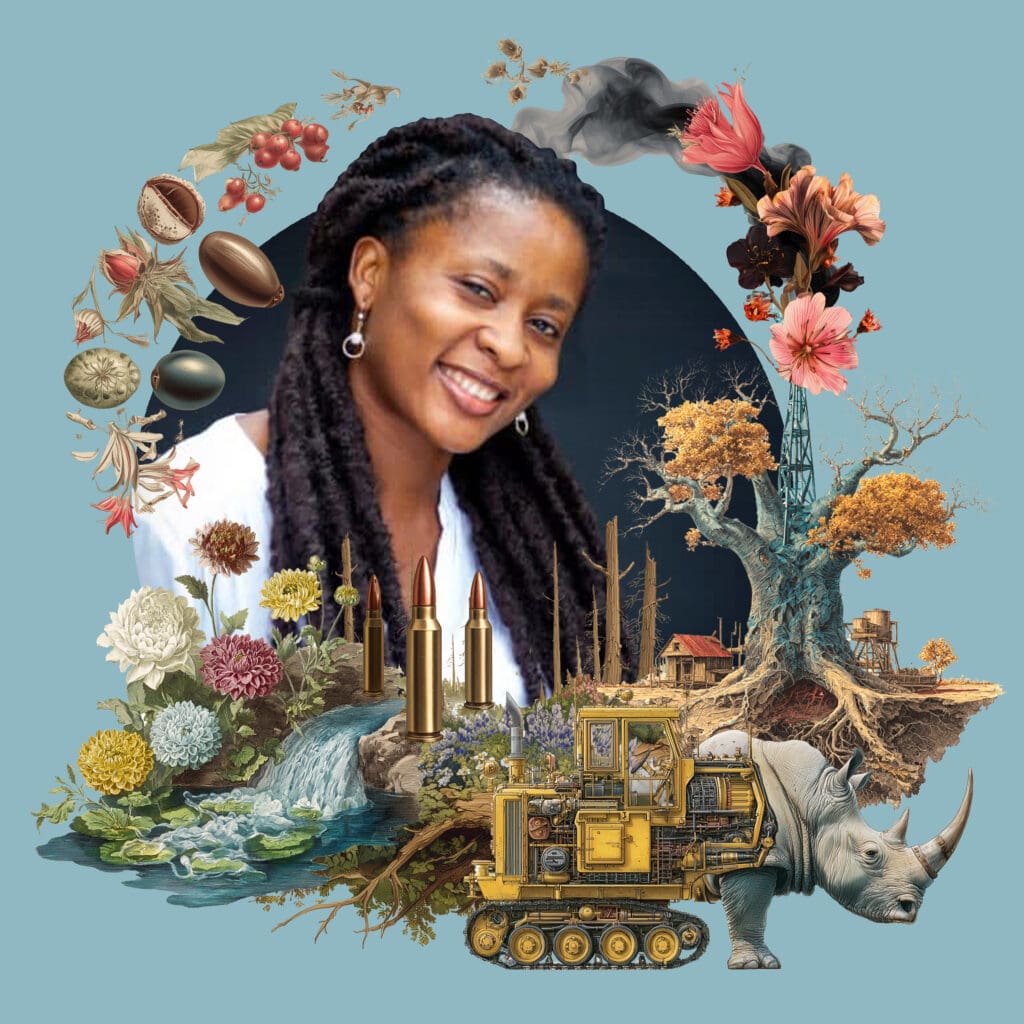
Magdalene Ime Idiang is a Nigerian environmental justice activist whose work was forged in the Niger Delta, where extractive capitalism has devastated ecosystems and erased indigenous ways of life. With over a decade of experience in advocacy, community organizing, and research, she confronts land dispossession and environmental exploitation in oil-impacted communities through her project IFioK—meaning “knowledge” in Ibibio—a digital sanctuary that preserves and celebrates Africa’s indigenous environmental wisdom. Through storytelling, interactive courses, and community-centered research, Magdalene champions a decolonial ecological movement that positions traditional knowledge as essential to climate resilience and environmental justice.