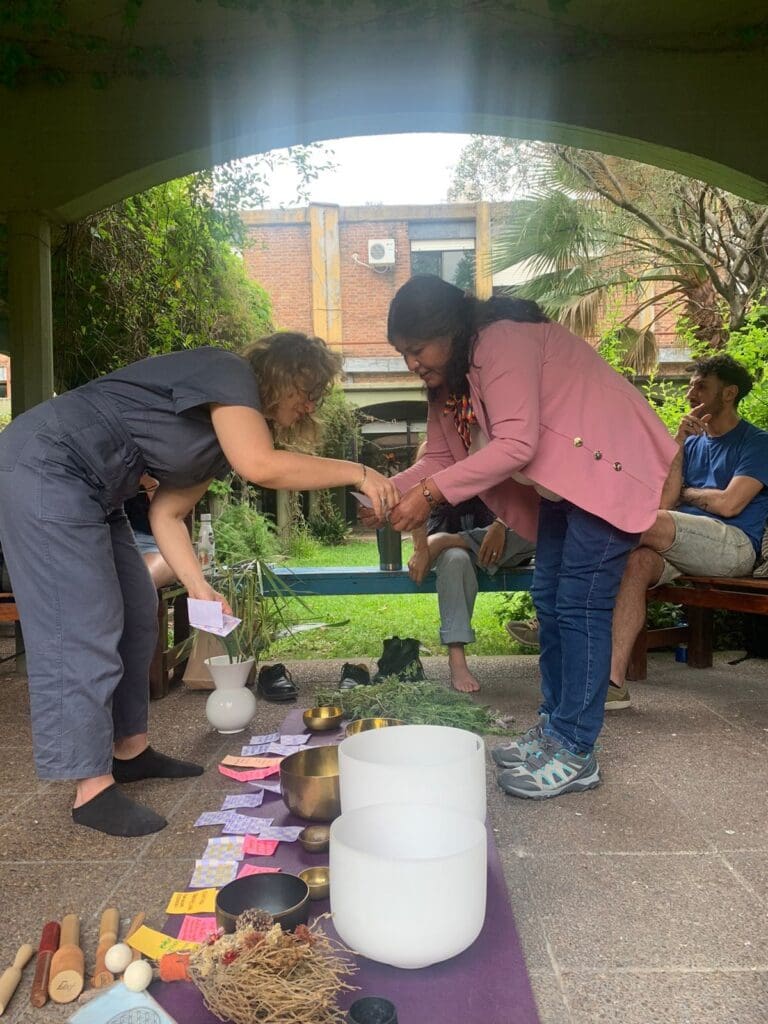

The ORA 2025 Latin America Activist Fellows Gathering brought together a community that had spent nearly a year building relationships, reflections, and shared learning through virtual work — finally meeting in person.
The gathering unfolded in two complementary parts. The first was a closed retreat for activists. After months of remote collaboration, the space was deeply moving and filled with inspiration, deep listening, and emotional connection. Together, fellows reflected on the state of socio-environmental activism across the region, and the challenges of working in political contexts where cruelty and rights rollbacks often prevail. They also shared territorial and collective strategies for continuing to build alternatives: new forms of action, collective care practices, and pathways for defending territories, the environment, and communities.
The seven ORA 2025 Fellows brought powerful, grounded stories from their territories — struggles against violent extractivism, knowledge built collectively in the midst of multiple crises, and forms of action rooted in affective commitment, mutual support, and being-with-others.

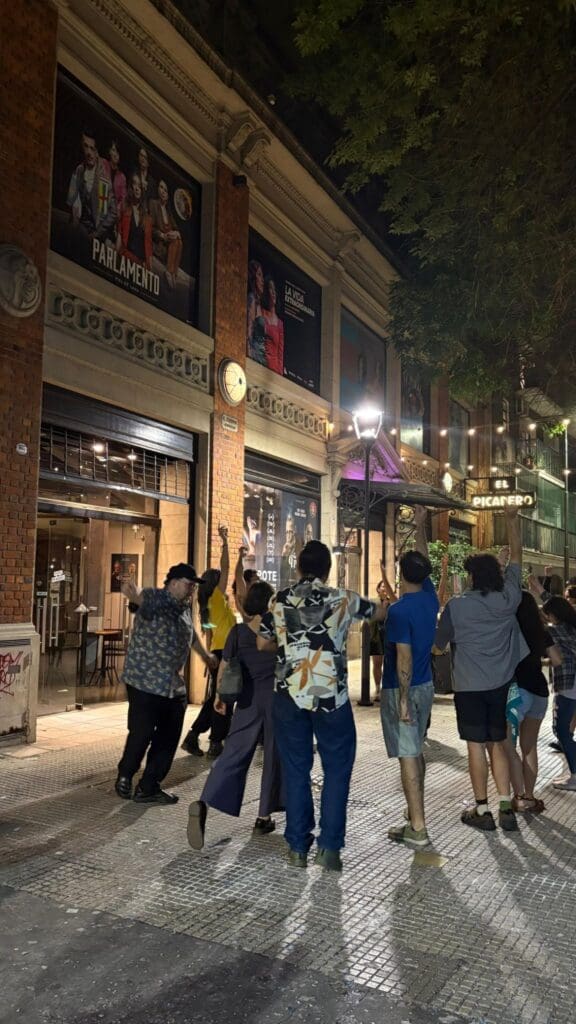
Collective Care Assembly – A Public Event at Teatro Picadero
The second component was a public Collective Care Assembly at Teatro Picadero. In times when activism often means accumulated exhaustion, constant demands, and loss, the gathering made a conscious choice to pause — to listen, to recognize one another, and to explore what forces allow us to keep going when the world pushes us beyond our limits.
The assembly created space for something necessary and often postponed: speaking about care from political and territorial perspectives, naming exhaustion without glorifying it, and reconnecting with the collective energy that urgency so often obscures.
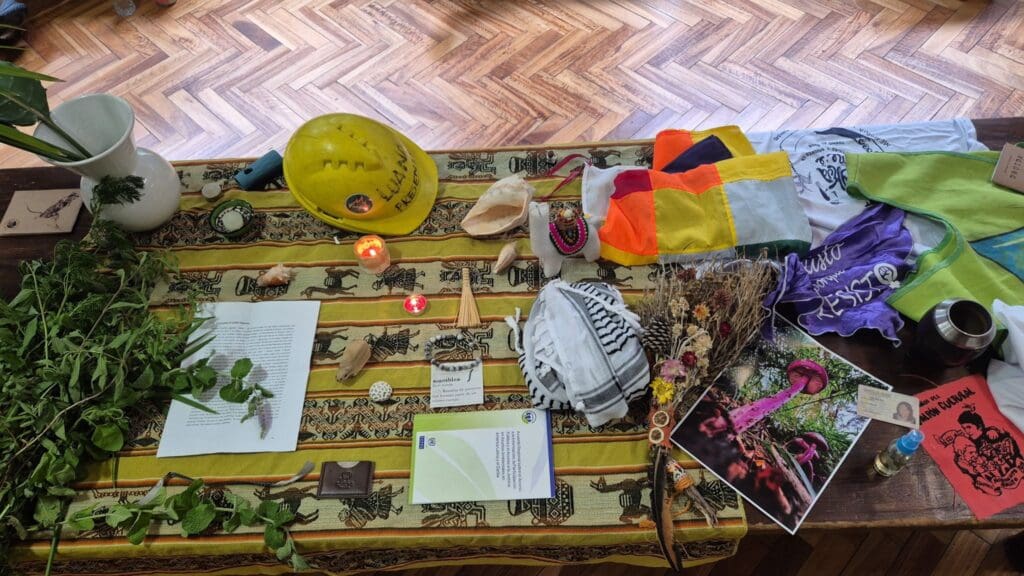
Community, Collective Energy, and What Comes Next
With the close of these in-person encounters, one central commitment was reaffirmed: strengthening bonds so that community becomes not only a space of belonging, but a source of renewed energy. From there, the work continues — imagining and building collective responses to the rollback of environmental policies and the socio-environmental challenges shaping our realities.
A shared certainty followed everyone home: protecting territories also means protecting those who defend them — their bodies, their wellbeing, their health. Hope is not naive. It is a daily political practice, built through relationships, reconstruction, and shared strength. We continue building community, especially when exhaustion shows up.